
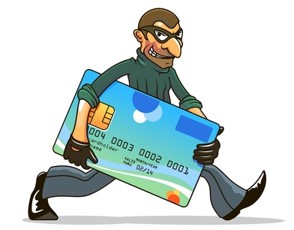
How to Help Protect Yourself From Credit Card Theft
In today’s digital world, credit card theft and financial scams have become increasingly common. From online fraud to stolen card information at gas pumps or retailers, criminals are constantly finding new ways to access personal financial information.
While banks and credit card companies have improved fraud protection tools, protecting yourself starts with good habits and awareness.
At Altitude Wealth Management, we believe financial security is an important part of overall financial wellness. Here are several practical steps that may help reduce your risk of credit card theft and identity fraud.
1. Monitor Your Accounts Regularly
One of the simplest — and most effective — ways to catch fraud early is by reviewing your accounts frequently.
Many people wait until monthly statements arrive, but fraudulent transactions can happen quickly. Regularly checking your:
- Bank accounts
- Credit card activity
- Mobile banking apps
- Transaction alerts
can help you identify suspicious activity before it becomes a larger issue.
Even small unauthorized charges should be taken seriously, as scammers sometimes test cards with minor purchases before making larger transactions.
2. Use Transaction Alerts
Most financial institutions allow you to enable real-time alerts for:
- Purchases
- Withdrawals
- Online transactions
- International charges
- Purchases above a certain amount
These alerts can notify you immediately if your card is used unexpectedly, allowing you to respond quickly.
3. Be Careful With Public Wi-Fi
Public Wi-Fi networks at coffee shops, airports, hotels, or restaurants can expose sensitive information if you access financial accounts while connected.
Avoid:
- Logging into banking apps
- Entering credit card information
- Making financial transactions
on unsecured public networks whenever possible.
If needed, consider using a secure VPN connection for additional protection.
4. Watch for Card Skimmers
Card skimming devices are commonly placed on:
- Gas pumps
- ATMs
- Payment terminals
These devices can capture card information during transactions.
A few warning signs may include:
- Loose or bulky card readers
- Keypads that feel unusual
- Broken security seals
- Suspicious attachments
Whenever possible, using tap-to-pay or mobile wallet options may reduce direct card exposure.
5. Create Strong, Unique Passwords
Weak passwords remain one of the easiest ways for criminals to gain access to financial accounts.
Avoid using:
- Birthdays
- Simple number combinations
- Repeated passwords across multiple accounts
Strong passwords combined with multi-factor authentication (MFA) can significantly improve account security.
6. Be Cautious of Phishing Scams
Scammers often impersonate:
- Banks
- Credit card companies
- Government agencies
- Delivery companies
through emails, texts, or phone calls designed to steal sensitive information.
Be skeptical of messages that:
- Create urgency
- Request passwords or account numbers
- Ask you to click suspicious links
- Threaten account closure or penalties
When in doubt, contact the company directly using verified contact information rather than responding to the message itself.
7. Check Your Credit Reports
Reviewing your credit reports periodically can help you identify:
- Unauthorized accounts
- Fraudulent inquiries
- Identity theft activity
You can obtain free credit reports annually from each major credit bureau.
Many people also choose to place credit freezes or fraud alerts on their accounts for additional protection.
8. Protect Physical Documents
Financial theft doesn’t always happen online.
Old bank statements, pre-approved credit offers, and financial documents can contain enough information for identity theft if discarded improperly.
Consider shredding sensitive documents before disposal and storing important financial records securely.
Financial Security Is Part of Financial Planning
Protecting your finances isn’t only about growing wealth — it’s also about perserving what you’ve worked hard to build.
Unfortunately, scams and fraud attempts continue to evolve, which makes staying informed more important than ever. While no system is completely foolproof, developing good financial security habits may help reduce risk and improve your ability to respond quickly if fraud occurs.
At Altitude Wealth Management, we believe comprehensive financial planning includes helping clients think through both opportunities and risks — including protecting personal financial information in an increasingly digital world.
A few simple precautions today may help prevent major financial headaches tomorrow.
This article is for informational purposes only and should not be considered legal or cybersecurity advice or investment advice.
 using WordPress and
Comments are closed